A Guide to Complete and Partial Dentures in Gurugram
Missing several teeth affects more than your smile. It can change how you chew, speak, and feel about yourself. Dentures remain one of the most trusted, time-tested solutions for replacing missing teeth, and modern materials have made them more comfortable and natural-looking than ever. This guide covers the types available, how they work, tips for a smoother adjustment, and how costs compare with dental implants for patients in Gurugram.
Types of Dentures
Dentures are broadly divided into two categories based on how many natural teeth remain.
Complete Dentures
Complete dentures replace all teeth in the upper arch, lower arch, or both. They rest directly on the gums and are held in place by suction, muscle control, and in the case of the upper denture, a close fit against the palate.
- Conventional complete dentures are made after any remaining teeth are removed and the gums have healed, which can take several weeks.
- Immediate dentures are placed right after extractions, so you are never without teeth, though they usually need adjustment or relining once healing is complete.
Partial Dentures
Partial dentures are used when some natural teeth are still present. They fill the gaps and attach to remaining teeth using clasps or precision attachments.
- Acrylic partial dentures are affordable and removable, often used as a temporary or budget-friendly option.
- Cast metal partial dentures have a lightweight metal framework, offering better stability and a more secure fit for long-term use.
- Flexible partial dentures are made from a bendable material that adapts around existing teeth, often more comfortable for patients with sensitive gums.
How Dentures Work
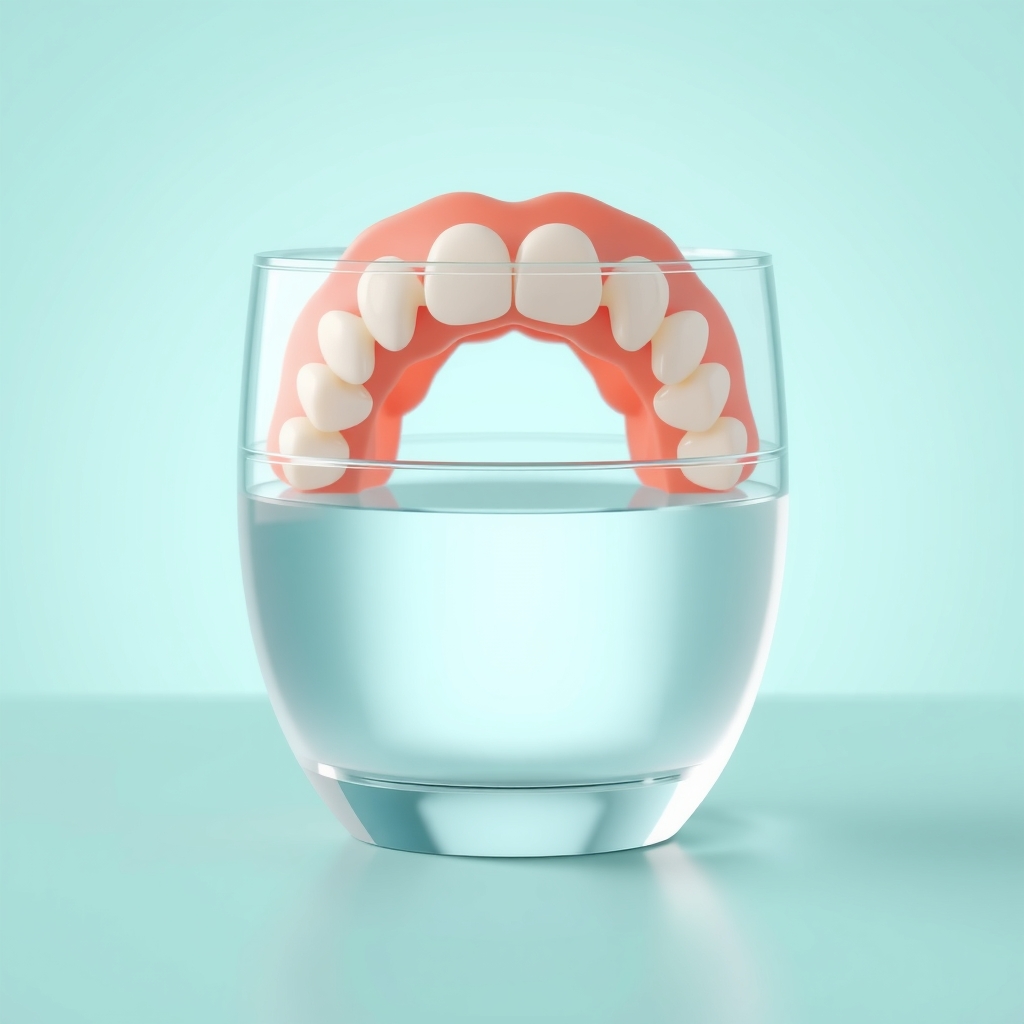
Dentures are custom-made from impressions of your mouth, ensuring they fit the specific shape of your gums and jaw. Complete dentures rely mostly on suction and muscle coordination, while partials use clasps that grip onto neighbouring teeth for added stability. Both types are designed to help restore chewing function, support facial muscles, and let you speak more clearly compared to living with missing teeth.
Over time, your jawbone and gums naturally change shape, which is why dentures need periodic relining or adjustment to maintain a snug fit.
Adjustment Tips for New Denture Wearers
- Start with softer foods and gradually move to firmer textures as your confidence grows.
- Practice reading aloud to retrain your tongue and lips to work with the new denture shape.
- Use a denture adhesive if recommended by your dentist, especially during the initial adjustment period.
- Keep follow-up appointments so your dentist can smooth any pressure points causing soreness.
- Clean dentures daily with a soft brush and mild cleanser, avoiding regular toothpaste which can be abrasive.
- Remove dentures at night to give your gums a chance to rest and recover.
Dentures vs Dental Implants: Cost Comparison
Many patients in Gurugram weigh dentures against implants when planning tooth replacement. Both have their place depending on oral health, budget, and long-term goals.
| Option | Typical Range (INR) | Key Consideration |
|---|---|---|
| Acrylic Partial Denture | ₹3,000 to ₹8,000 per arch | Budget-friendly, removable |
| Cast Metal Partial Denture | ₹8,000 to ₹18,000 per arch | More durable and stable |
| Complete Denture (per arch) | ₹10,000 to ₹25,000 | Conventional or immediate options |
| Single Dental Implant | ₹25,000 to ₹45,000 per tooth | Excludes crown; fixed, bone-preserving |
These are typical ranges for Gurugram and can vary based on materials, the number of teeth involved, and whether additional procedures like extractions are needed. Your dentist can give you a personalised estimate after an examination.
Choosing What Is Right for You
Dentures are a practical, non-surgical option that works well for many patients, particularly those missing most or all teeth in an arch, or those who prefer to avoid surgery. Implants offer a more permanent, bone-preserving alternative but involve a higher upfront cost and a healing period. A thorough consultation, including an examination of your gum and bone health, will help determine which option suits your lifestyle and budget best.
Have questions about your teeth?
Dentistaa · F2, Tower A, 1st Floor, Baani Square, Pocket C, South City II, Sector 50
Frequently asked questions
How long does it take to get used to new dentures?
Most patients need two to six weeks to adjust to speaking and chewing comfortably. Minor sore spots in the first week are common and usually resolve after small adjustments by your dentist.
Can I sleep with my dentures in?
It is generally better to remove dentures at night so your gums and jawbone get rest, and to soak them in a cleaning solution. Your dentist can advise what suits your specific case.
Are implants always better than dentures?
Not always. Implants offer more stability and bone preservation, but dentures are a reasonable, less invasive, and more budget-friendly option for many patients, especially where several teeth are missing across the arch.
How often do dentures need to be replaced or relined?
Dentures typically need a reline every one to two years as the jawbone and gums change shape, and a full replacement every five to eight years, depending on wear and fit.
Treatment costs mentioned on this page are indicative ranges for the Gurugram region. Your exact cost depends on your case and will be confirmed after a clinical examination at the clinic.