Dry Socket After Tooth Extraction: Symptoms, Causes and Treatment
If you have had a tooth pulled recently and the pain seems to be getting worse instead of better after a few days, you may be dealing with dry socket. This is one of the most common questions patients in Gurugram ask after an extraction, and the good news is that dry socket is treatable and the discomfort usually eases quickly once a dentist cleans and dresses the area.
What Is Dry Socket?
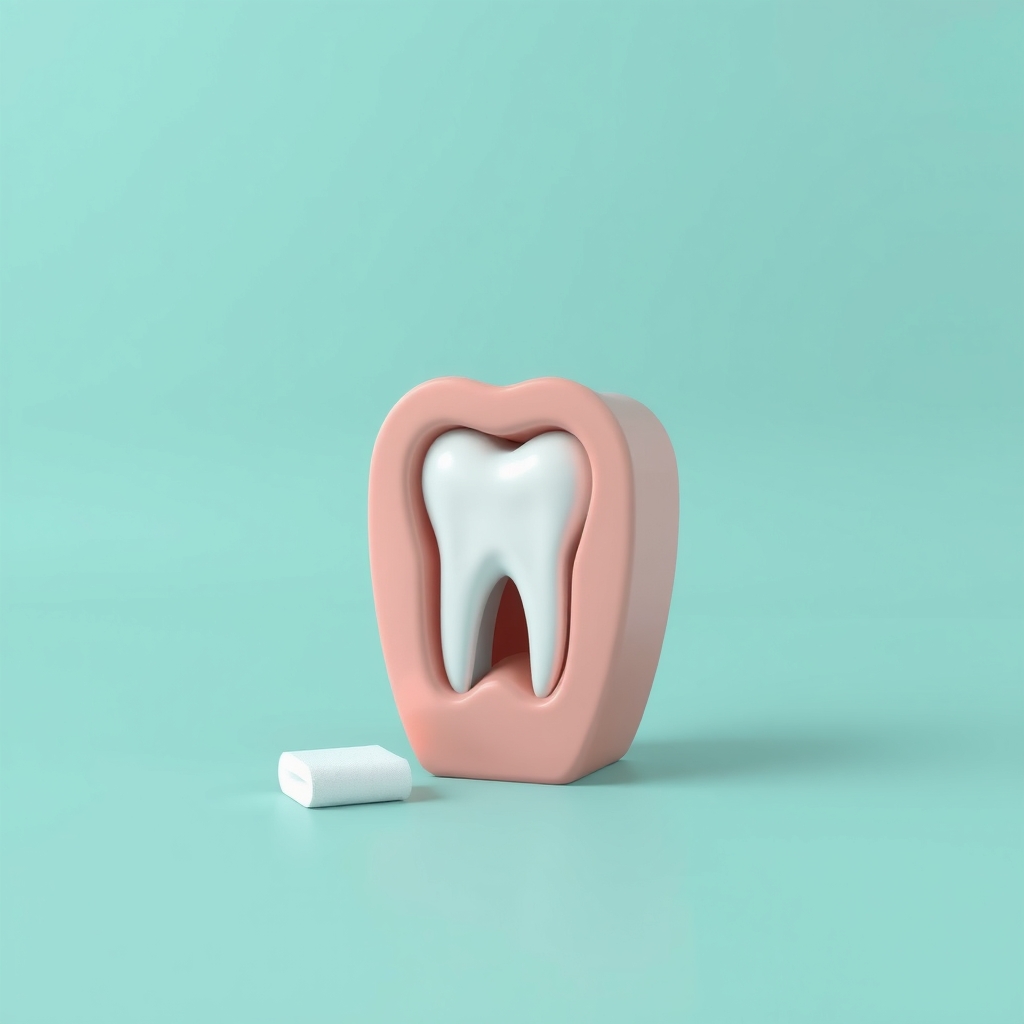
After a tooth is removed, a blood clot forms in the empty socket. This clot protects the underlying bone and nerves and acts as a foundation for new tissue to grow. Dry socket, medically known as alveolar osteitis, happens when this clot either does not form properly or gets dislodged too early, leaving the bone and nerve endings exposed to air, food and bacteria.
This exposure is what causes the sharp, throbbing pain that many patients describe as worse than the original toothache. It is not an infection in the classic sense, but the exposed bone becomes irritated and inflamed, which is why it hurts so much.
Why Does Dry Socket Happen?
Dry socket does not affect everyone who has a tooth extracted, and certain factors increase the chances of it occurring. Common causes include:
- Smoking or vaping soon after the procedure, which disturbs the clot and reduces blood supply
- Rinsing, spitting forcefully, or using a straw in the first 24 to 48 hours
- Poor oral hygiene before or after the extraction
- Difficult or surgical extractions, such as impacted wisdom teeth
- Hormonal changes, which is why it is seen slightly more often in women on birth control
- History of dry socket in a previous extraction
Lower back teeth, especially wisdom teeth, are more prone to dry socket because the sockets are deeper and harder to keep undisturbed during healing.
Warning Symptoms to Watch For
It helps to know the difference between normal post-extraction discomfort and dry socket so you know when to call your dentist.
Normal Healing After Extraction
- Mild to moderate pain that gradually improves day by day
- Some swelling for the first 2 to 3 days
- Slight oozing or pinkish saliva for the first day
Signs That May Point to Dry Socket
- Pain that worsens around day 3 to 5 instead of improving
- Pain radiating to the ear, eye, or temple on the same side
- An empty-looking socket with visible bone rather than a dark blood clot
- A bad taste in the mouth or noticeably unpleasant breath
- Mild fever in some cases
If you notice these symptoms, it is best not to wait it out. Call your dentist rather than relying only on painkillers, since dry socket needs professional cleaning to heal properly.
How Dentists Treat Dry Socket
Treatment is usually quick and provides noticeable relief, often within the same visit. Here is what typically happens:
- The dentist gently flushes the socket with saline to clear out food debris and bacteria
- A medicated dressing, often containing eugenol, is placed directly into the socket to soothe the exposed nerve endings
- Pain relief medication is prescribed if needed
- You may be asked to return after a day or two so the dressing can be changed until healing is well underway
Most patients feel significant relief within 24 to 48 hours of the first dressing. Full healing of the socket tissue typically takes 7 to 10 days.
How Dry Socket Is Prevented
Prevention largely depends on following aftercare instructions carefully in the first few days. Dentists in Gurugram generally advise:
- Avoiding smoking or vaping for at least 48 to 72 hours after extraction
- Not rinsing, spitting hard, or using a straw on the day of surgery
- Eating soft, cool foods and avoiding hard or crunchy items for a few days
- Gently rinsing with warm salt water from the second day onward, as advised
- Keeping the extraction site clean while avoiding direct brushing over it initially
- Attending any follow-up visit your dentist recommends, especially after wisdom tooth removal
For more complex extractions, such as impacted wisdom teeth, your dentist may also place a protective dressing at the time of surgery to lower the risk further.
Dry socket can feel alarming, but it is a well understood and manageable complication. If your pain after an extraction feels unusual or is getting worse rather than better, reach out promptly so it can be checked and treated before it affects your daily comfort.
Have questions about your teeth?
Dentistaa · F2, Tower A, 1st Floor, Baani Square, Pocket C, South City II, Sector 50
Frequently asked questions
How do I know if it is dry socket or normal healing pain?
Normal pain after extraction gradually reduces each day and is manageable with the painkillers your dentist prescribed. Dry socket pain usually starts getting worse around day 3 to 5, often spreads to your ear or jaw, and the socket may look empty with visible bone instead of a blood clot.
How long does dry socket take to heal?
With proper dental treatment, most dry sockets settle within 7 to 10 days. Your dentist will clean the socket and place a medicated dressing, and the pain relief is often noticeable within a day or two of treatment.
Can I treat dry socket at home without seeing a dentist?
Home care like warm saltwater rinses and over-the-counter painkillers can ease mild discomfort, but dry socket needs a dentist to clean the socket and place a medicated dressing. Without this, healing is slower and pain tends to continue.
Is dry socket more common after wisdom tooth extraction?
Yes, dry socket is more frequently seen after lower wisdom tooth removal because these sockets are deeper and the blood clot is more easily disturbed. Following your dentist's aftercare instructions closely reduces this risk significantly.
Treatment costs mentioned on this page are indicative ranges for the Gurugram region. Your exact cost depends on your case and will be confirmed after a clinical examination at the clinic.