Retainers After Braces or Aligners: Types, Duration, and Cost in Gurugram
Finishing braces or aligners feels like a big milestone, and it is. But the work is not quite over. Your teeth sit in bone surrounded by soft tissue and ligaments that remember their old positions. Without a retainer, these forces can slowly pull teeth back toward where they started. This is called relapse, and it is one of the most common reasons smiles change after orthodontic treatment ends.
Retainers hold your teeth in their new, corrected positions while the bone and gum tissue around them stabilise. This stabilising process takes time, often many months, which is why retainers are not optional extras but a necessary final step in your treatment plan.
Why Teeth Shift After Braces or Aligners
Several factors contribute to post-treatment movement. The periodontal ligament fibres that hold teeth in the jawbone take time to reorganise around new tooth positions. Natural ageing also causes gradual shifting of teeth throughout life, even in people who never had braces. Habits like teeth grinding, tongue pressure, or sleeping position can add extra force on teeth. This is why dentists in Gurugram and elsewhere consistently recommend retainers after any orthodontic treatment, whether it was traditional braces or clear aligners.
Types of Retainers
Hawley Retainers
This is the classic removable retainer made of a acrylic base that sits against the roof of the mouth or behind the lower teeth, combined with a metal wire that wraps around the front teeth. Hawley retainers are durable, adjustable, and allow some speech and bite adjustments by the dentist if needed. Some patients find the visible wire less discreet.
Clear Retainers
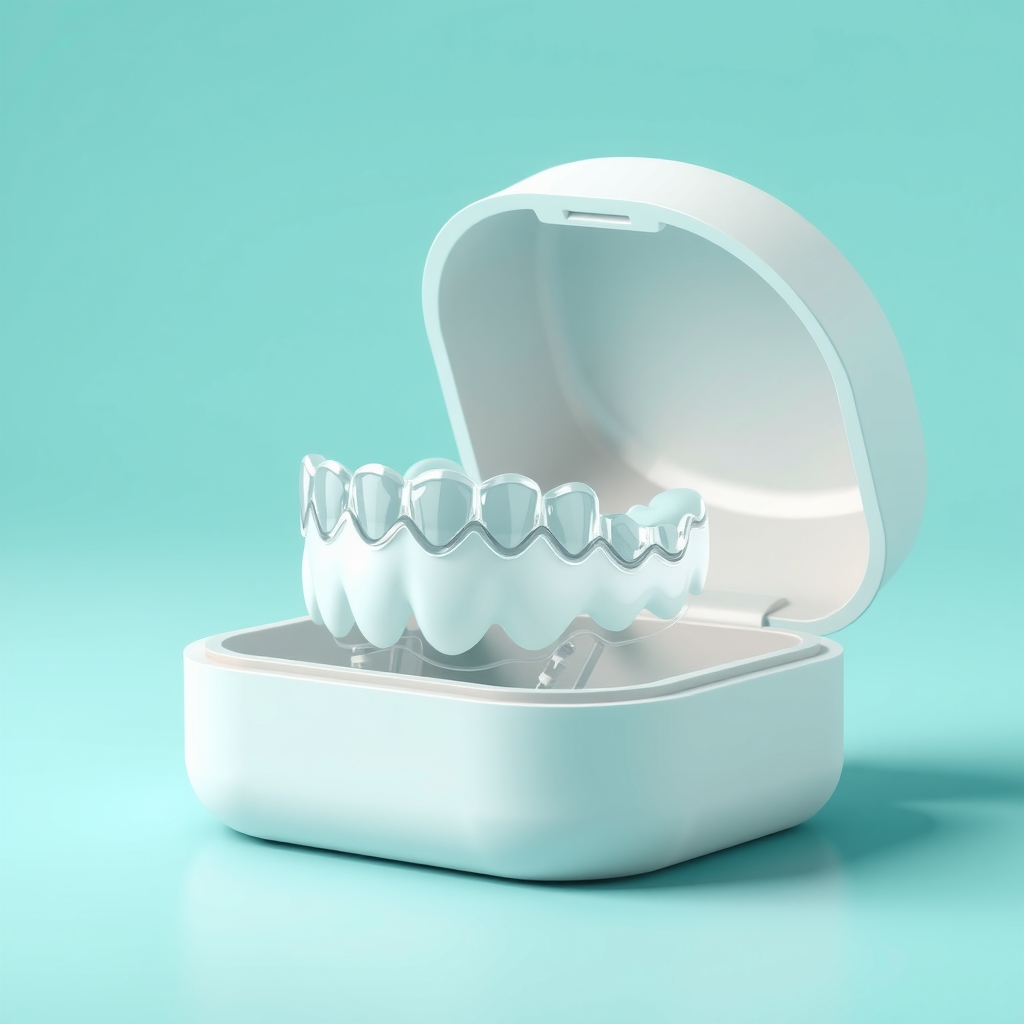
Also called essix retainers, these are made from clear plastic that fits snugly over the entire arch of teeth, similar in appearance to a clear aligner tray. They are nearly invisible, comfortable, and popular among patients who completed treatment with clear aligners. The main drawback is that they can crack or wear out over time and generally need replacement every year or two.
Fixed (Bonded) Retainers
A fixed retainer is a thin wire bonded to the back of the front teeth, usually the lower six teeth or sometimes the upper teeth as well. Because it stays in place permanently, there is no risk of forgetting to wear it. However, it requires careful cleaning with floss threaders or interdental brushes to prevent plaque buildup around the wire.
Many dentists in Gurugram recommend a combination approach, such as a fixed lower retainer paired with a removable upper retainer, to balance convenience and reliability.
How Long Should You Wear a Retainer
The general guidance follows a tapering schedule:
- Full-time wear (20 to 22 hours a day) for the first three to six months
- Night-time only wear for the next one to two years
- Long-term maintenance, often a few nights a week, indefinitely
Fixed retainers are typically left in place for several years, sometimes permanently, as long as they remain intact and well maintained. Your dentist will personalise this schedule based on how your teeth responded to treatment and your bite stability.
Retainer Cost in Gurugram
Retainer costs depend on the type, material, and whether it is a replacement or part of your original treatment package. Below is a typical range for Gurugram clinics.
| Retainer Type | Typical Range (INR) |
|---|---|
| Hawley Retainer (per arch) | 3,000 to 6,000 |
| Clear (Essix) Retainer (per arch) | 2,500 to 5,500 |
| Fixed Bonded Retainer (per arch) | 3,500 to 7,000 |
These are typical ranges and actual costs can vary based on the complexity of your case, the materials used, and whether retainers are included in your original orthodontic treatment fee. Always confirm current pricing directly with your dentist.
Caring for Your Retainer
Good retainer habits protect your investment in a straight smile. Clean removable retainers daily with a soft brush and lukewarm water, avoiding hot water which can warp plastic. Store them in their case when not worn to avoid loss or damage from pets. For fixed retainers, use floss threaders or a water flosser daily to keep the area around the wire clean and check periodically with your dentist that the bonding remains intact.
If you recently finished braces or aligner treatment and have questions about which retainer suits your case, visiting your dentist in Gurugram for a quick check is the simplest way to protect the results you worked hard to achieve.
Have questions about your teeth?
Dentistaa · F2, Tower A, 1st Floor, Baani Square, Pocket C, South City II, Sector 50
Frequently asked questions
Can I stop wearing my retainer once my teeth feel stable?
No. Teeth can shift even years after treatment, especially at night. Dentists usually recommend reducing wear gradually but not stopping completely, often moving to a few nights a week for the long term.
What happens if I lose my retainer?
Contact your dentist as soon as possible. Teeth can start moving within days to weeks without retention, so a replacement should be made quickly, especially early after treatment.
Are fixed retainers better than removable ones?
Neither is universally better. Fixed retainers offer constant retention without relying on patient compliance, while removable ones are easier to clean around. Your dentist will recommend based on your bite and habits.
Can retainers fix minor shifting if I was inconsistent with wear?
Clear retainers can sometimes nudge very minor shifts back if caught early, but significant relapse usually needs a new round of aligners or braces rather than a retainer alone.
Treatment costs mentioned on this page are indicative ranges for the Gurugram region. Your exact cost depends on your case and will be confirmed after a clinical examination at the clinic.