Overbite and Underbite: Causes, Diagnosis, and Treatment Options
Noticing that your upper or lower teeth stick out further than they should, or that your jaw does not quite line up when you bite down, is a common concern among patients in Gurugram. These bite irregularities, known as overbite and underbite, are forms of malocclusion that can affect how you chew, speak, and even how your jaw feels over time. Understanding the cause and severity is the first step toward choosing the right treatment.
What Is Overbite and Underbite?
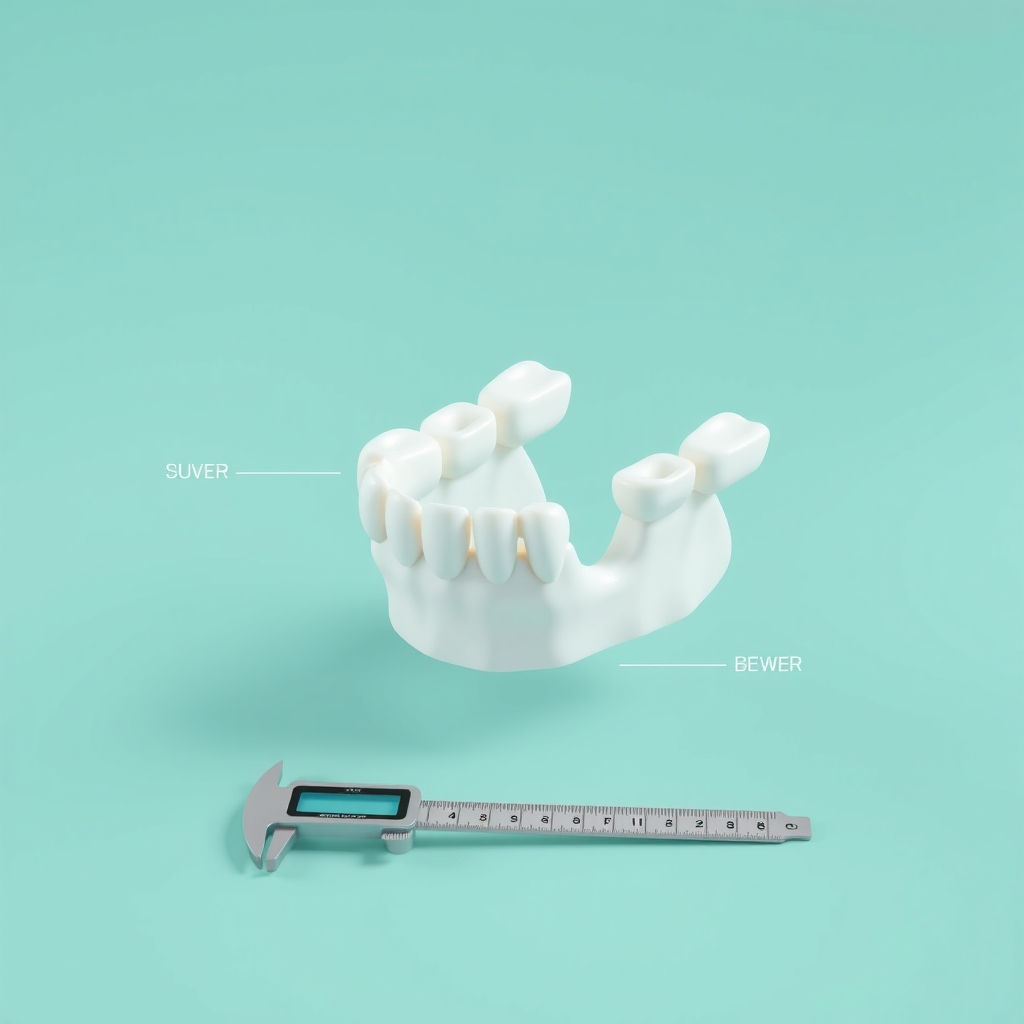
An overbite happens when the upper front teeth extend noticeably over the lower front teeth. A small amount of overlap is normal, but an excessive overbite can cause the lower teeth to bite into the roof of the mouth or wear down unevenly. An underbite is the opposite, where the lower jaw and lower teeth sit in front of the upper teeth, giving the chin a more prominent appearance.
Common Causes
- Genetics: Jaw size and shape are often inherited, making some people naturally more prone to malocclusion.
- Childhood habits: Prolonged thumb sucking, pacifier use, or tongue thrusting beyond early childhood can shift tooth and jaw position.
- Tooth loss or crowding: Missing teeth or overcrowded arches can allow remaining teeth to drift out of alignment.
- Jaw growth discrepancies: Sometimes the upper and lower jaws simply grow at different rates, creating a skeletal mismatch rather than just a tooth position issue.
- Injury or trauma: A jaw fracture or dental injury earlier in life can alter bite alignment.
How Dentists Diagnose the Type and Severity
A proper diagnosis goes beyond a visual check. Dentists and orthodontists in Gurugram typically use a combination of methods to understand whether the problem is dental (tooth position), skeletal (jaw position), or both.
- Clinical examination: Checking how the teeth meet, jaw symmetry, and any signs of strain on the jaw joint.
- Dental X-rays and OPG: These show tooth positions, roots, and overall arch relationships.
- Cephalometric X-ray: A side profile X-ray that measures jaw proportions and helps classify the malocclusion precisely.
- Study models or digital scans: Impressions or 3D scans of the teeth help plan treatment and track progress.
Based on these findings, malocclusion is usually graded as mild, moderate, or severe, which directly guides whether orthodontics alone will work or if surgery needs to be considered.
Treatment Options
Orthodontic Treatment
For mild to moderate cases, braces or clear aligners can gradually move teeth into a better bite relationship. This approach works well when the issue is mainly about tooth position rather than jaw size. Treatment duration depends on complexity but often ranges from one to two years.
Surgical Treatment (Orthognathic Surgery)
When the discrepancy is skeletal, meaning the jawbones themselves are misaligned, braces alone may not fully correct the bite. In such cases, jaw surgery performed by an oral and maxillofacial surgeon can reposition the upper or lower jaw. This is usually reserved for more severe cases, especially in adults whose jaw growth is complete.
Combined Orthodontic-Surgical Treatment
Many moderate to severe cases need a two-part approach. Braces are first used to align the teeth within each jaw, surgery then corrects the jaw position, and a final phase of braces fine-tunes the bite after healing. This combined method often gives the most stable, long-lasting result for significant malocclusion.
Typical Cost Ranges in Gurugram
Costs depend on severity, the appliance chosen, and whether surgery is needed. These are typical ranges for Gurugram and can vary based on individual assessment.
| Treatment | Typical Range (INR) |
|---|---|
| Diagnostic X-rays and consultation | ₹1,500 to ₹4,000 |
| Metal braces (full treatment) | ₹25,000 to ₹60,000 |
| Ceramic or clear braces | ₹45,000 to ₹90,000 |
| Clear aligners | ₹60,000 to ₹1,80,000 |
| Orthognathic (jaw) surgery | ₹1,50,000 to ₹4,00,000+ |
These figures are indicative only. A clear treatment plan and cost estimate can only be given after an in-person evaluation, since severity, appliance type, and the number of visits all affect the final amount.
Why Early Evaluation Matters
Many patients in Gurugram delay evaluation because the bite issue does not cause pain initially. However, catching malocclusion early, especially in children and teenagers, often means simpler and shorter treatment. For adults, a timely assessment still helps prevent complications like jaw joint strain, uneven wear, or gum problems caused by an unstable bite.
Have questions about your teeth?
Dentistaa · F2, Tower A, 1st Floor, Baani Square, Pocket C, South City II, Sector 50
Frequently asked questions
Can adults get overbite or underbite corrected, or is it only for children?
Adults can absolutely get treated. Orthodontic appliances like clear aligners or braces work at any age, though severe skeletal cases may need jaw surgery combined with braces for the best result.
Will my overbite or underbite get worse if I leave it untreated?
Mild cases may stay stable, but moderate to severe malocclusion can worsen over time, leading to uneven tooth wear, jaw strain, and speech or chewing difficulties. An early check-up helps you understand your specific risk.
How long does orthodontic treatment for malocclusion usually take?
Mild to moderate cases often take 12 to 24 months with braces or aligners. Cases needing surgical correction typically involve a longer timeline, including pre-surgical orthodontics, the procedure, and recovery.
Does insurance cover malocclusion treatment in Gurugram?
Coverage varies by policy and insurer. Purely cosmetic orthodontic treatment is often excluded, while jaw surgery for a functional problem may be partially covered. It is best to check directly with your insurance provider.
Treatment costs mentioned on this page are indicative ranges for the Gurugram region. Your exact cost depends on your case and will be confirmed after a clinical examination at the clinic.