Teeth Grinding (Bruxism): Causes, Warning Signs, and Treatment Options in Gurugram
Many people grind or clench their teeth without ever realising it, often during sleep. This habit, known as bruxism, can quietly wear down tooth enamel, strain jaw muscles, and lead to morning headaches. If you have been waking up with a sore jaw or noticing flattened teeth, it is worth understanding why this happens and what can be done about it.
What Causes Teeth Grinding
Bruxism can happen while you are awake or asleep, and the triggers differ slightly for each.
- Stress and anxiety: This is one of the most common causes, especially in people juggling demanding jobs and long commutes, a familiar reality for many working professionals in Gurugram.
- Misaligned bite: When upper and lower teeth do not meet evenly, the jaw muscles may clench to compensate.
- Sleep disorders: Conditions like sleep apnea are closely linked with night-time grinding.
- Lifestyle factors: High caffeine intake, smoking, and alcohol use can increase grinding episodes.
- Certain medications: Some antidepressants and stimulants list bruxism as a side effect.
Warning Signs You Should Not Ignore
Since night-time grinding often goes unnoticed by the person doing it, the signs usually show up elsewhere first.
- Dull headaches, especially near the temples, upon waking
- Jaw soreness, tightness, or clicking when opening the mouth
- Increased tooth sensitivity to hot or cold
- Flattened, chipped, or visibly worn tooth edges
- A partner mentioning grinding sounds during sleep
- Indentations on the tongue or cheek biting marks
If several of these sound familiar, a dental check-up can confirm whether bruxism is the underlying cause.
Why Bruxism Needs Attention
Occasional grinding may not cause lasting harm, but chronic grinding can gradually wear away enamel, expose the softer dentin underneath, and even lead to cracked or loosened teeth over time. The constant pressure also strains the temporomandibular joint (TMJ), which can result in ongoing jaw pain, clicking, or restricted movement. Catching the problem early helps protect both your teeth and your jaw joint from long-term damage.
How Bruxism Is Diagnosed
During your visit, the dentist will typically examine your teeth for flattening or fracture lines, check your jaw muscles and joint for tenderness, and ask about your sleep habits, stress levels, and any medications you take. In some cases, they may also assess your bite alignment to see if it is contributing to the grinding.
Treatment Options Available in Gurugram
Custom Night Guards
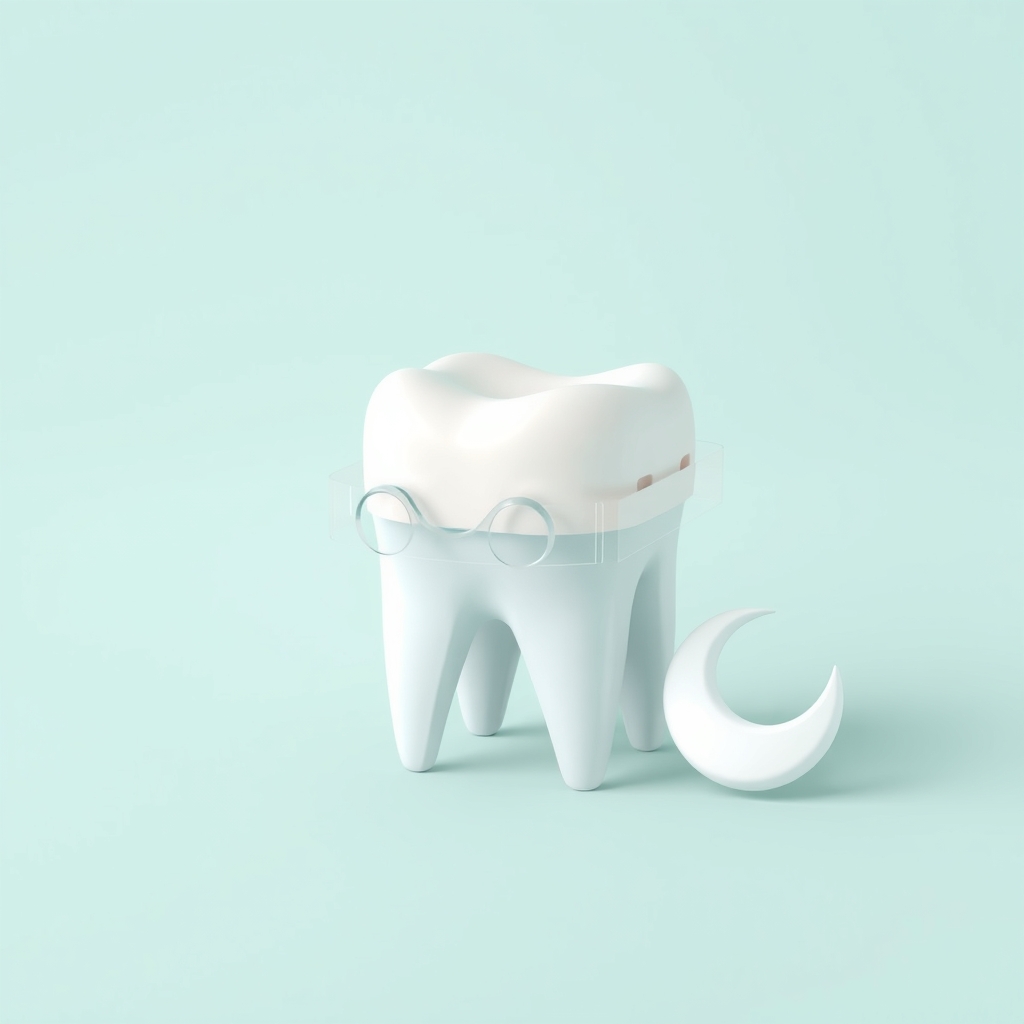
A custom night guard is the most common and effective way to protect teeth from grinding damage. It is made from an impression of your own teeth, so it fits snugly and comfortably, creating a cushioned barrier between your upper and lower teeth. This prevents further enamel wear and reduces the muscle strain that leads to jaw pain and headaches.
Bite Adjustment
If a misaligned bite is contributing to the grinding, your dentist may recommend minor adjustments to how your teeth meet, sometimes combined with restorative work on worn or chipped teeth.
Stress Management and Lifestyle Changes
Since stress is a major trigger, simple changes such as reducing caffeine intake, practising relaxation techniques, or improving sleep hygiene can meaningfully reduce grinding frequency alongside dental treatment.
Restorative Care for Worn Teeth
Teeth that have already been significantly worn down may need restorative treatment such as bonding or crowns to rebuild their shape and protect them from further damage.
| Treatment | Purpose | Typical Range (INR) |
|---|---|---|
| Custom night guard | Protects teeth from grinding damage | Rs 3,000 to Rs 9,000 |
| Bite adjustment | Corrects uneven contact between teeth | Rs 1,500 to Rs 5,000 |
| Restorative bonding/crown | Rebuilds worn or damaged teeth | Rs 2,000 to Rs 15,000 per tooth |
These figures are a typical range for Gurugram clinics and can vary based on materials used and the extent of treatment needed. Your dentist can share a more precise estimate after an examination.
Caring for Your Night Guard
- Rinse it with cool water after every use
- Clean it gently with a soft toothbrush, avoiding hot water which can warp the material
- Store it in its case, away from direct sunlight or heat
- Bring it along to dental check-ups so your dentist can assess wear and fit
If you notice jaw pain, frequent headaches, or unusual tooth wear, it is a good idea to have it evaluated sooner rather than later. Addressing bruxism early with the right guard or treatment can save your teeth from years of gradual damage.
Have questions about your teeth?
Dentistaa · F2, Tower A, 1st Floor, Baani Square, Pocket C, South City II, Sector 50
Frequently asked questions
Can teeth grinding go away on its own?
Mild, stress-related grinding sometimes settles once the stress passes, but many people grind for years without realising it, especially at night. If you already notice worn teeth or jaw pain, it is best to get it checked rather than wait.
How long does a custom night guard last?
With proper care, a well-made hard or dual-laminate night guard usually lasts 2 to 5 years, depending on how heavily you grind and how well you store and clean it.
Is a custom night guard better than one from a pharmacy?
Custom night guards are made from a mould of your own teeth, so they fit precisely, stay in place, and distribute biting force evenly. Pharmacy guards are one-size-fits-all and can be bulky, ill-fitting, or even worsen jaw strain.
What is the typical cost of a night guard in Gurugram?
Costs vary with the material and lab work involved, but a typical range for a custom-fitted night guard in Gurugram is roughly Rs 3,000 to Rs 9,000. Your dentist can give an exact estimate after an examination.
Treatment costs mentioned on this page are indicative ranges for the Gurugram region. Your exact cost depends on your case and will be confirmed after a clinical examination at the clinic.