Why Are My Teeth Sensitive to Hot, Cold, or Sweet Foods?
Feeling a sharp twinge when you sip hot tea, bite into ice cream, or eat something sweet is one of the most common complaints we hear from patients across Gurugram. Tooth sensitivity can range from a mild, occasional discomfort to a sharp pain that makes eating and drinking difficult. Understanding why it happens is the first step toward getting relief.
What Causes Tooth Sensitivity?
Teeth become sensitive when the protective layers covering the inner tooth are worn down or damaged, exposing tiny nerve channels underneath. Common causes include:
- Worn enamel: Brushing too hard, acidic foods and drinks, or grinding teeth can gradually thin the outer enamel layer.
- Gum recession: When gums pull back due to gum disease or aggressive brushing, the tooth root gets exposed. Roots lack enamel and are naturally more sensitive.
- Tooth decay or cavities: A cavity can create a direct pathway for hot, cold, or sweet stimuli to reach the nerve.
- Cracked or chipped teeth: Even small cracks can let temperature and pressure changes affect the nerve inside.
- Recent dental work: Fillings, whitening treatments, or cleanings can cause temporary sensitivity that usually settles within a few days.
- Teeth grinding (bruxism): Constant grinding wears down enamel over time and can also cause small cracks.
- Acidic diet: Frequent consumption of citrus fruits, carbonated drinks, or vinegar-based foods can erode enamel gradually.
How Sensitivity Feels Different Depending on the Cause
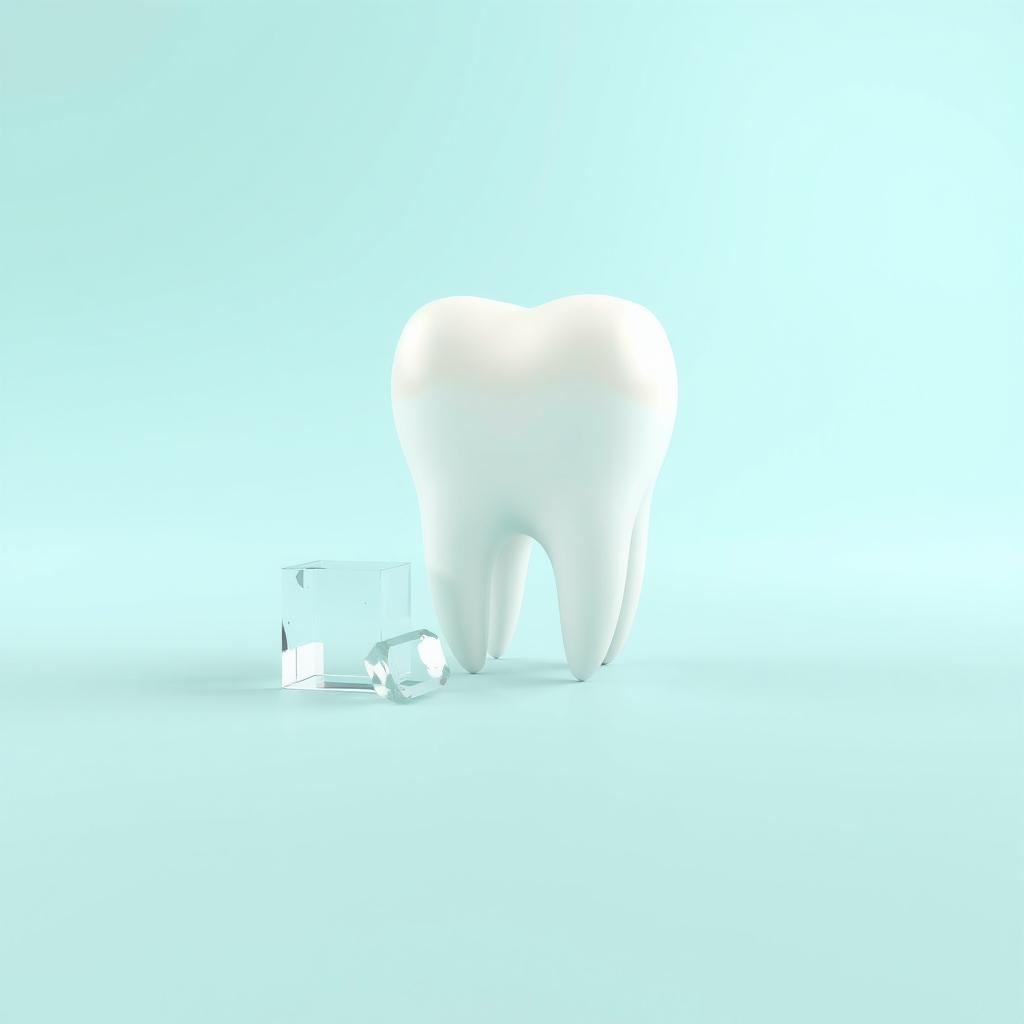
Sensitivity to cold that fades quickly often points to worn enamel or minor gum recession. Sensitivity that lingers after the cold or hot stimulus is removed can indicate a deeper problem, such as decay close to the nerve or an old filling that has started to fail. Sharp, sudden pain while chewing may suggest a crack in the tooth. Sensitivity to sweet foods specifically is frequently linked to early cavities.
When to See a Dentist
Occasional mild sensitivity is common and not always a cause for alarm. However, you should book a check-up if:
- The sensitivity lasts more than two weeks
- Pain is sharp, intense, or lingers for a long time after eating
- Sensitivity is limited to one specific tooth
- You notice visible cracks, chips, or receding gums
- Over-the-counter sensitivity toothpaste is not helping
At Dentistaa, our dentists examine your teeth and gums, check for decay, cracks, and enamel wear, and may take an X-ray to see what is happening beneath the surface before recommending treatment.
Treatment Options for Sensitive Teeth
Desensitising Toothpaste and Gels
These contain compounds that block the tiny channels in exposed dentin, reducing nerve signals over a few weeks of regular use. This is often the first line of treatment for mild cases.
Fluoride Application
A professional fluoride varnish or gel applied in-clinic strengthens enamel and can reduce sensitivity, especially for patients with early enamel erosion.
Dental Bonding or Fillings
If sensitivity is caused by a small cavity or exposed root surface, your dentist may place a tooth-coloured filling or bonding material to seal the area and protect the nerve.
Gum Grafting
For significant gum recession exposing large areas of the root, a minor surgical procedure to cover the exposed root can provide long-term relief.
Root Canal Treatment
When sensitivity is severe and linked to nerve inflammation or infection, a root canal may be needed to remove the damaged nerve tissue and relieve pain permanently.
Night Guards for Grinding
If bruxism is wearing down your enamel, a custom night guard can protect your teeth from further damage while you sleep.
| Treatment | Typical Range (INR) |
|---|---|
| Desensitising treatment / fluoride application | Rs 500 to Rs 1,500 per session |
| Tooth-coloured filling | Rs 1,500 to Rs 4,000 per tooth |
| Gum graft procedure | Rs 8,000 to Rs 20,000 per site |
| Root canal treatment | Rs 5,000 to Rs 12,000 per tooth |
| Custom night guard | Rs 3,000 to Rs 8,000 |
These are typical ranges seen in Gurugram clinics and can vary based on the tooth involved and the extent of treatment needed. Your dentist will confirm exact costs after an examination.
Simple Steps to Reduce Sensitivity at Home
- Use a soft-bristled toothbrush and gentle brushing technique
- Switch to a sensitivity-specific toothpaste
- Limit acidic foods and drinks, and rinse with water afterward
- Avoid brushing immediately after consuming acidic foods
- Wear a night guard if you grind your teeth
Tooth sensitivity is usually manageable once the underlying cause is identified. Ignoring it for too long, though, can allow a small problem like early decay to turn into something that needs more extensive treatment. A timely visit to your dentist in Gurugram can help pinpoint the exact cause and get you back to enjoying your favourite foods without discomfort.
Have questions about your teeth?
Dentistaa · F2, Tower A, 1st Floor, Baani Square, Pocket C, South City II, Sector 50
Frequently asked questions
Why does my tooth hurt only with sweet foods and not hot or cold?
Sensitivity that shows up mainly with sugar often points to early tooth decay or a small cavity, since sugar can seep into exposed dentin or a cavity and irritate the nerve. A dental check-up can confirm the cause.
Can sensitive teeth get better on their own?
Mild sensitivity sometimes eases with a desensitising toothpaste and softer brushing, but if it persists for more than two weeks or is getting worse, it usually needs a dentist's evaluation to rule out decay or gum recession.
Is tooth sensitivity a sign of a serious problem?
Not always. It can be as simple as worn enamel, but persistent or sharp pain can also signal a cracked tooth, deep decay, or nerve involvement, so it is best not to ignore it for too long.
How long does treatment for sensitive teeth take?
Many cases are resolved in a single visit with desensitising treatment or a small filling. More involved issues like gum grafting or a root canal may need one or more additional appointments.
Treatment costs mentioned on this page are indicative ranges for the Gurugram region. Your exact cost depends on your case and will be confirmed after a clinical examination at the clinic.