Tooth Bonding: A Simple Fix for Chips, Gaps, and Discoloration
If you have a chipped tooth, a small gap, or a stain that bothers you every time you smile, you don't always need an expensive or lengthy treatment. Tooth bonding is one of the simplest and most affordable ways to correct minor dental flaws, often in a single visit. Here's what Gurugram patients should know before choosing this option.
What Is Tooth Bonding?
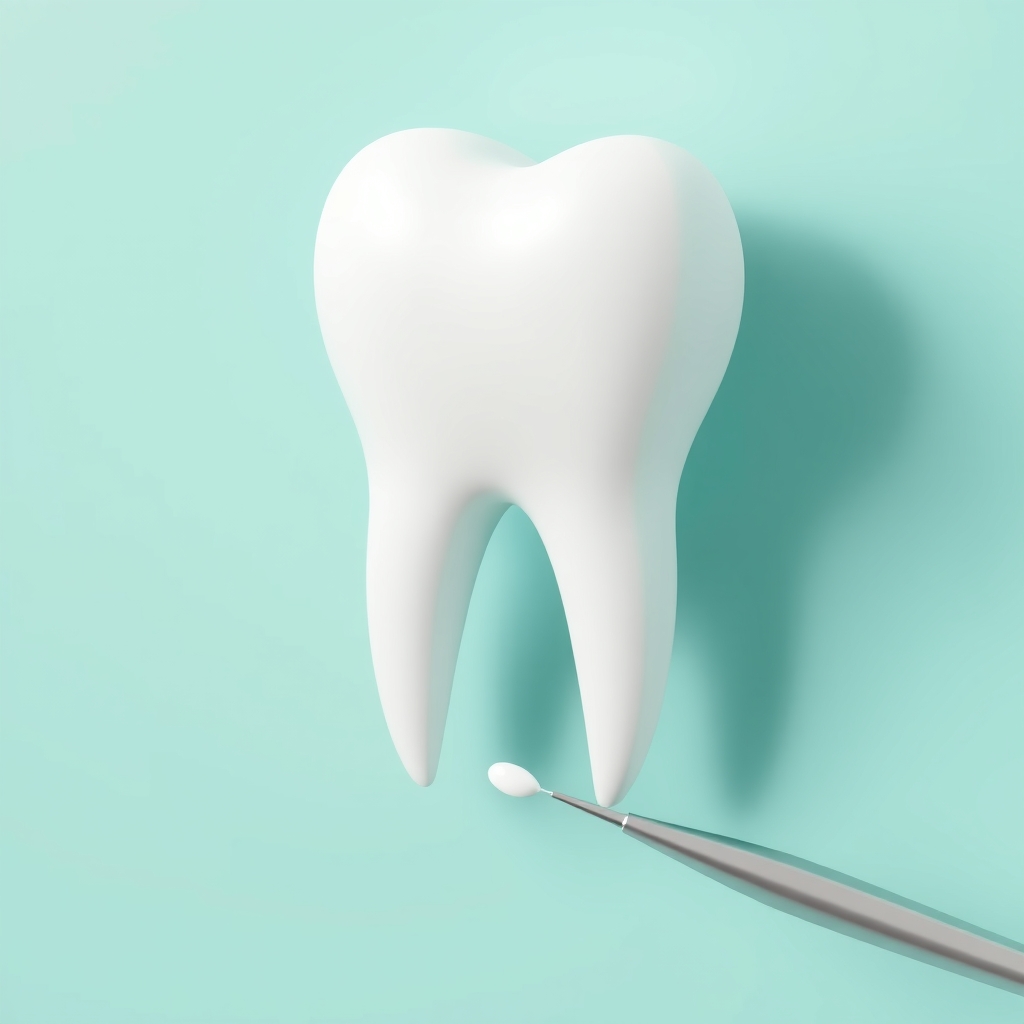
Tooth bonding is a cosmetic dental procedure where a tooth-colored composite resin is applied to the surface of a tooth, shaped, and then hardened with a special curing light. The resin bonds directly to the enamel, which is why the treatment is called "bonding." Unlike veneers or crowns, it usually does not require removing much of the natural tooth structure.
Dental Issues Tooth Bonding Can Fix
Bonding works best for minor to moderate cosmetic concerns. Common uses include:
- Chipped or cracked teeth: Small chips can be filled in and smoothed out to restore the tooth's natural shape.
- Gaps between teeth: Bonding can close small spaces without the need for braces.
- Discoloration: Stains that don't respond well to whitening can be covered with matched resin.
- Uneven or short teeth: Bonding can lengthen or reshape teeth for a more balanced smile.
- Minor decay: In some cases, bonding material is used as a tooth-colored filling for small cavities.
It's important to note that bonding is not ideal for large cavities, significant structural damage, or teeth that need major reshaping. Your dentist will assess whether bonding, veneers, or a crown is more suitable for your specific case.
How the Bonding Procedure Works
The process is straightforward and typically completed in one appointment, usually within 30 to 60 minutes per tooth.
- Shade selection: Your dentist picks a resin shade that matches your natural teeth.
- Surface preparation: The tooth surface is lightly roughened so the resin adheres properly. Anesthesia is rarely needed unless decay is being treated.
- Applying the resin: The putty-like resin is applied, molded, and smoothed into the desired shape.
- Curing: A curing light hardens the material within seconds.
- Final shaping: The dentist trims and polishes the bonded tooth so it blends naturally with the rest of your smile.
How Long Does Tooth Bonding Last?
With good care, tooth bonding typically lasts between 4 to 8 years before it may need touch-ups or replacement. Lifespan depends on factors like the location of the bonded tooth, your bite force, and habits such as nail-biting or chewing on hard objects. Front teeth used mainly for biting softer foods tend to hold up longer than back teeth under heavier chewing pressure.
To extend the life of bonding, avoid biting on pens, ice, or hard candies, and try to limit staining drinks like coffee, tea, and red wine.
Tooth Bonding Cost in Gurugram vs Veneers and Crowns
One of the biggest reasons patients choose bonding is affordability compared to other cosmetic options. Here is a general cost comparison for Gurugram clinics.
| Treatment | Typical Range (per tooth) | Durability |
|---|---|---|
| Tooth Bonding | Typical range: Rs 1,500 to Rs 5,000 | 4 to 8 years |
| Porcelain Veneers | Typical range: Rs 8,000 to Rs 25,000 | 10 to 15 years |
| Dental Crowns | Typical range: Rs 6,000 to Rs 20,000 | 10 to 15 years |
These figures are indicative and can vary based on the complexity of your case, the material used, and the number of teeth being treated. We don't promise fixed prices here, as your dentist can give you an accurate estimate only after an in-person examination.
Which Option Should You Choose?
If your concern is minor, such as a small chip or gap, bonding is often the quickest and most budget-friendly route. For larger cosmetic changes or if you want something longer-lasting, veneers or crowns might be worth the additional investment. A dentist at a multispeciality clinic in Gurugram can walk you through the pros and cons based on your specific smile goals and budget.
Caring for Bonded Teeth
Bonded teeth don't need special products, but a few habits help maintain them longer:
- Brush twice daily with a non-abrasive toothpaste
- Floss gently around bonded areas to avoid chipping the edges
- Visit your dentist for regular check-ups so any wear is caught early
- Avoid using your teeth to open packages or bite nails
Tooth bonding is a practical, conservative choice for patients looking to improve small imperfections without a large financial or time commitment. If you're in South City II or elsewhere in Gurugram and considering this treatment, a quick consultation can help you understand if bonding, veneers, or a crown fits your needs best.
Have questions about your teeth?
Dentistaa · F2, Tower A, 1st Floor, Baani Square, Pocket C, South City II, Sector 50
Frequently asked questions
Is tooth bonding painful?
No, bonding is usually painless and doesn't require anesthesia unless it's being used to fix decay or a sensitive area. Most patients feel little to no discomfort during the procedure.
Can tooth bonding be whitened later?
No, the bonding material does not respond to whitening treatments the way natural teeth do. It's best to whiten your teeth first, then get bonding done to match the new shade.
How soon can I eat after bonding?
You can eat almost immediately since the resin hardens with a curing light during the procedure. However, it's wise to avoid very hard or staining foods for the first 48 hours.
Will bonding stain over time?
Composite resin can pick up stains from tea, coffee, red wine, or tobacco over time, more so than natural enamel. Good oral hygiene and regular polishing help keep it looking fresh.
Treatment costs mentioned on this page are indicative ranges for the Gurugram region. Your exact cost depends on your case and will be confirmed after a clinical examination at the clinic.