Dental Emergency: First Aid Steps for a Knocked-Out or Broken Tooth
A dental emergency rarely gives you warning. A fall, a sports collision, or biting into something hard can knock out or break a tooth in seconds. What you do in the next few minutes often matters more than anything a dentist does afterward. This guide walks you through calm, practical first-aid steps and tells you exactly when to head to an emergency dentist in Gurugram.
Stay Calm and Assess the Situation
Take a breath first. Check how much bleeding there is, whether the tooth is fully out, chipped, loose, or pushed out of position, and whether there is any injury to the lips, gums, or jaw. This quick check helps you decide the next steps and what to tell your dentist over the phone.
If a Tooth Is Completely Knocked Out
- Pick the tooth up by the crown (the white part), never touch the root.
- If it is dirty, rinse it gently with milk or saline for a few seconds. Do not scrub it or use soap.
- Try to place it back into its socket, facing the correct direction, and hold it in place by gently biting on a clean cloth or gauze.
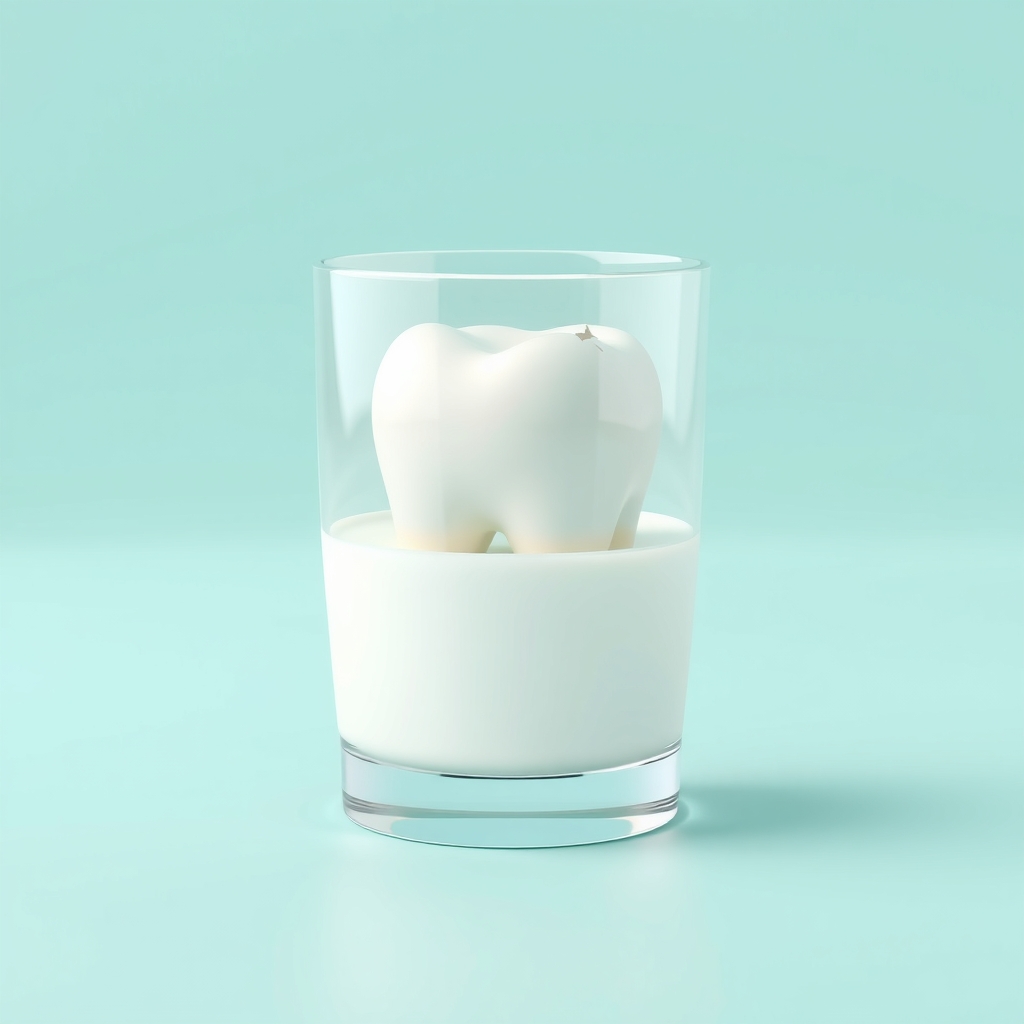
- If it cannot be placed back, keep it in a container of milk, saliva, or a saline solution. Never store it in tap water, as this damages the root surface.
- Get to a dentist within 30 to 60 minutes for the best chance of saving the tooth.
If a Tooth Is Chipped or Broken
- Rinse your mouth gently with warm water to clean the area.
- If you find the broken piece, keep it in a clean, damp cloth or a small container of milk.
- Apply a cold compress on the outside of the cheek to reduce swelling and pain.
- Cover any sharp edges with sugar-free chewing gum or orthodontic wax so it does not cut your tongue or cheek.
- Avoid chewing on that side until you have been examined.
If a Tooth Is Loose or Pushed Out of Place
Do not try to force it back into position yourself beyond gentle repositioning with clean fingers. Bite down softly on a clean cloth to hold it steady and avoid touching or wiggling it further. Head to a dentist as soon as possible since loose teeth can often be splinted and saved if treated early.
Managing Pain and Bleeding at Home
- Apply firm, gentle pressure with clean gauze or a cloth to control bleeding.
- Use a cold compress on the outside of the face for 15 to 20 minutes at a time.
- Over-the-counter pain relief like paracetamol can help temporarily. Avoid aspirin if there is active bleeding, as it can thin the blood.
- Do not apply painkiller tablets directly on the gum or tooth, as this can burn the tissue.
When to Rush to a Dentist in Gurugram
Some situations cannot wait until the next day. Seek emergency dental care right away if you notice any of the following:
- A tooth has been completely knocked out
- A tooth is visibly loose, shifted, or pushed into the gum
- There is uncontrolled bleeding after 10 to 15 minutes of pressure
- Swelling in the face or jaw is increasing rapidly
- There is a deep crack that exposes the inner tooth or causes sharp, ongoing pain
- You have fever along with tooth pain, which may indicate infection
At Dentistaa in Sector 50, South City II, our team understands that dental trauma is stressful and time-sensitive. If you are dealing with any of the above right now, call us at +91 79485 02409 so we can guide you on the spot and prepare to see you quickly.
What Happens at the Dental Visit
Your dentist will examine the tooth, gums, and jaw, and may take an X-ray to check the root and surrounding bone. Depending on the injury, treatment could involve replanting and splinting a knocked-out tooth, bonding a chipped tooth, a root canal if the nerve is affected, or in some cases an extraction if the tooth cannot be saved.
| Type of Injury | Typical Range (INR) |
|---|---|
| Tooth splinting for loose tooth | 2,000 to 6,000 |
| Dental bonding for chip | 1,500 to 5,000 |
| Root canal treatment | 4,000 to 12,000 |
| Emergency extraction | 1,500 to 5,000 |
These are typical ranges seen in Gurugram clinics and can vary based on the tooth involved and complexity of the case. Your dentist will confirm exact costs after examination.
Preventing Future Dental Emergencies
If you or your children play contact sports, a custom mouthguard can prevent many dental injuries. Avoid chewing on ice, hard candies, or pen caps, and get any loose or weak teeth checked before they turn into an emergency.
Have questions about your teeth?
Dentistaa · F2, Tower A, 1st Floor, Baani Square, Pocket C, South City II, Sector 50
Frequently asked questions
How long can a knocked-out tooth survive outside the mouth?
The best chance of saving it is within 30 to 60 minutes if it is replanted or kept in milk/saliva properly. Beyond a few hours, the odds drop significantly, but it is still worth seeing a dentist quickly.
Can I put a knocked-out tooth back in myself?
Yes, if you can do it calmly, gently push the tooth back into its socket facing the right way and bite down softly on a clean cloth. Do not force it. If unsure, keep it in milk and get to a dentist immediately.
What if only a small piece of my tooth chipped off?
Rinse your mouth, save the fragment if possible, and cover any sharp edge with sugar-free gum or dental wax. See a dentist within a day or two to check for cracks that are not visible.
Is tooth pain without visible damage still an emergency?
Severe, throbbing pain, swelling, or fever alongside tooth pain can signal an infection or abscess. This needs prompt attention even without visible trauma, so do not wait it out.
Treatment costs mentioned on this page are indicative ranges for the Gurugram region. Your exact cost depends on your case and will be confirmed after a clinical examination at the clinic.