Electric vs Manual Toothbrush: Which One Should You Choose?
Walk into any pharmacy in Gurugram and you will find a whole aisle dedicated to toothbrushes, from simple manual ones to electric brushes with multiple settings. Patients often ask us at Dentistaa which one is actually worth buying. The honest answer is that both can keep your teeth healthy, but they work differently and suit different needs.
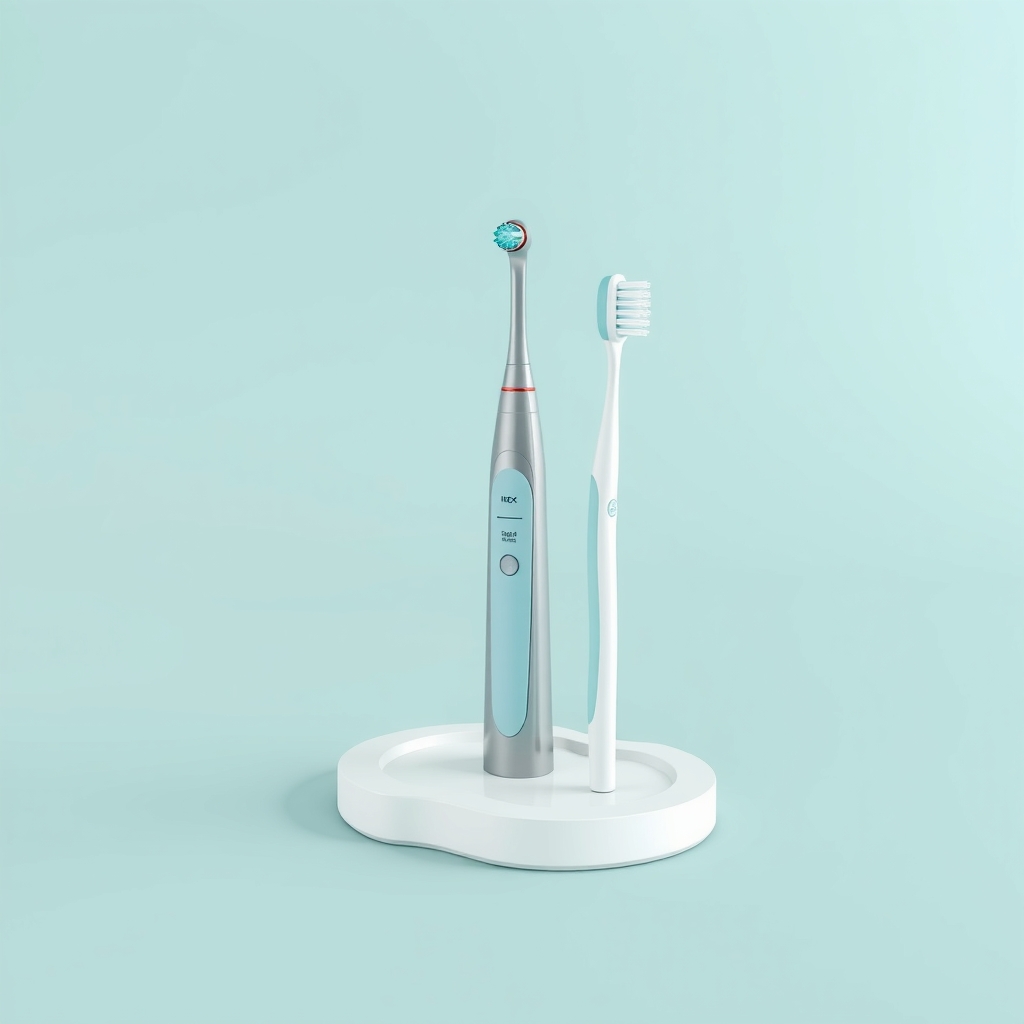
How Electric and Manual Toothbrushes Clean Differently
Manual toothbrushes rely entirely on your hand movements to remove plaque and food debris. The technique matters a lot here. Gentle circular motions along the gumline work best, while scrubbing side to side can wear down enamel and irritate gums over time.
Electric toothbrushes use rotating, oscillating, or sonic vibrations to do much of the work for you. Many models move thousands of times per minute, which can break down plaque more consistently than hand movement alone. This is especially helpful for people who struggle with brushing technique or spend less than the recommended two minutes brushing.
What Dental Research Generally Shows
Several studies suggest that electric toothbrushes, particularly oscillating-rotating types, reduce plaque and mild gum inflammation slightly more than manual brushing over time. That said, the difference is modest, not dramatic. A manual toothbrush used with good technique and patience can achieve very similar results.
Cost Comparison for Gurugram Buyers
Budget is often the deciding factor for many patients. Here is a general cost comparison, with a typical range you might expect in Gurugram.
| Toothbrush Type | Typical Range (INR) | Notes |
|---|---|---|
| Basic manual toothbrush | ₹20 to ₹100 | Replace every 3 months |
| Premium manual toothbrush | ₹100 to ₹300 | Softer bristles, ergonomic handles |
| Entry-level electric toothbrush | ₹800 to ₹2,500 | Basic vibration, single mode |
| Mid-range electric toothbrush | ₹2,500 to ₹6,000 | Pressure sensors, multiple modes |
| Premium electric toothbrush | ₹6,000 to ₹15,000+ | App connectivity, travel cases, advanced sensors |
On top of the initial purchase, electric brush heads usually need replacing every three months and typically cost between ₹150 and ₹500 each, depending on the brand. Over a year, this can add up, so it is worth factoring into your decision.
Who Benefits Most from an Electric Toothbrush
- People with limited hand mobility, such as arthritis, who find it hard to maneuver a manual brush
- Patients with braces or orthodontic appliances who need thorough cleaning around brackets
- Children or teenagers who need encouragement to brush for the full two minutes
- Those with a history of gum disease who need consistent, gentle plaque removal
- Busy professionals in Gurugram who want efficient brushing without compromising on quality
Who Can Stick with a Manual Toothbrush
- People who already brush correctly and consistently for two minutes
- Those on a tighter budget who want effective, low-cost dental care
- Travelers who prefer something lightweight without batteries or charging needs
- Patients with very sensitive gums who prefer full control over pressure
Other Factors to Consider
Bristle softness matters more than brush type. Always choose soft or extra-soft bristles regardless of whether you go electric or manual, since medium and hard bristles can wear down enamel and irritate gums.
Technique remains the single biggest factor in oral health, more important than the brush itself. Brushing twice a day for two full minutes, flossing daily, and visiting your dentist regularly will do more for your smile than switching toothbrush types alone.
If you are unsure which option fits your specific dental needs, our team at Dentistaa in Sector 50 can take a look at your gum health, enamel condition, and brushing habits to guide you toward the right choice.
Making the Final Decision
There is no single right answer for everyone. If cost is a concern and your technique is already solid, a manual toothbrush works perfectly well. If you want extra help maintaining consistency or have specific dental conditions, an electric toothbrush may offer a worthwhile boost to your daily routine.
Have questions about your teeth?
Dentistaa · F2, Tower A, 1st Floor, Baani Square, Pocket C, South City II, Sector 50
Frequently asked questions
Is an electric toothbrush really better than a manual one?
For most people, electric toothbrushes remove plaque slightly more effectively, especially with proper technique. But a manual toothbrush used correctly for two minutes, twice a day, can keep your mouth just as healthy.
Can children use electric toothbrushes?
Yes, many brands make smaller electric brushes designed for children. They can make brushing more fun and consistent, but supervision is still needed to avoid gum injury from pressing too hard.
Do electric toothbrushes damage gums or enamel?
Not if used correctly. Most modern electric brushes have pressure sensors that alert you if you are brushing too hard, which actually makes them gentler on gums than an overly aggressive manual brushing habit.
How often should I replace my toothbrush or brush head?
Replace manual toothbrushes and electric brush heads every three months, or sooner if the bristles look frayed. A worn brush cleans less effectively regardless of type.
Treatment costs mentioned on this page are indicative ranges for the Gurugram region. Your exact cost depends on your case and will be confirmed after a clinical examination at the clinic.