How Acidic Foods and Drinks Wear Down Your Tooth Enamel
Many people in Gurugram enjoy citrus fruits, fizzy drinks, flavoured yogurts, and tangy chutneys as part of daily meals. While these foods are tasty, their acidity can quietly wear away the protective outer layer of your teeth, called enamel. Understanding how this happens and what you can do about it helps you protect your smile for the long term.
What Is Tooth Enamel and Why Does It Matter
Enamel is the hard, outermost layer covering each tooth. It protects the softer dentin underneath and shields nerves from temperature changes and pressure. Enamel is the hardest tissue in the human body, but it is not indestructible. Acids can soften and gradually dissolve it, a process known as dental erosion.
How Acidic Foods and Drinks Cause Erosion
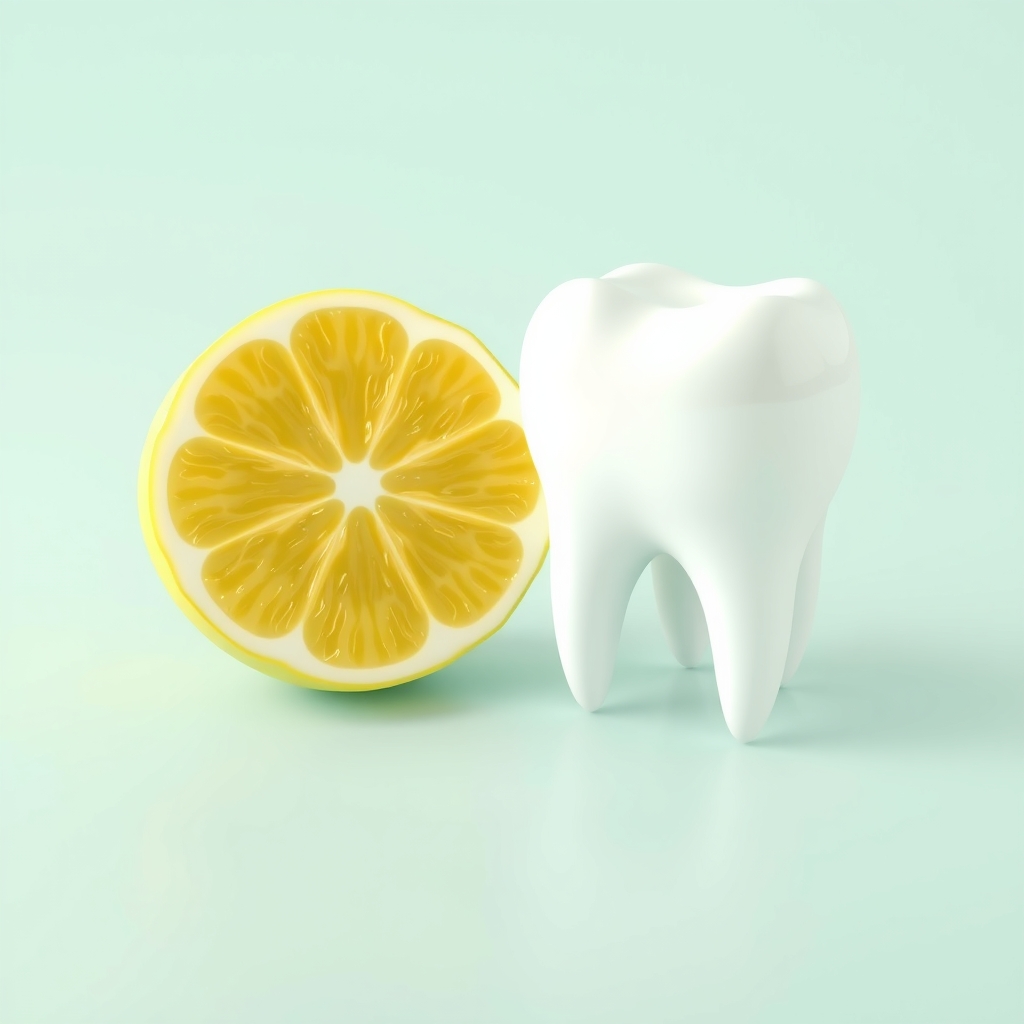
Every time you eat or drink something acidic, the mineral surface of your enamel softens for a short period. Saliva normally helps neutralise this acid and restores the mineral balance. However, if acidic exposure happens too often, or if saliva flow is low, the enamel does not get enough time to recover. Over months and years, this repeated cycle wears the enamel thinner.
Common Acidic Culprits
- Carbonated soft drinks and sports drinks
- Citrus fruits like lemon, orange, and amla
- Vinegar-based pickles and salad dressings
- Tomato-based sauces and chutneys
- Packaged fruit juices
- Wine and other acidic alcoholic beverages
- Flavoured yogurt and sour curd preparations
Early Warning Signs of Enamel Erosion
Enamel erosion develops gradually, so the early signs are often subtle. Watch out for the following changes.
- Increased sensitivity to cold, hot, or sweet foods
- Teeth appearing slightly yellow as the dentin underneath shows through thinning enamel
- Smooth, shiny patches on the tooth surface
- Rounded or slightly transparent edges on front teeth
- Small cracks or chips appearing more easily
- A dent or cupping on the chewing surface of back teeth
If you notice any of these, it is worth getting a dental check-up in Gurugram before the wear progresses further.
How Dentists Assess Enamel Wear
During a routine dental visit, your dentist will examine the shape, colour, and texture of your teeth under good lighting. They may also ask about your diet, beverage habits, and any history of acid reflux, since stomach acid can contribute to erosion from the inside. Based on the findings, your dentist can suggest whether simple diet changes are enough or whether additional protective treatment is needed.
Practical Tips to Protect Your Enamel
During and After Eating
- Drink acidic beverages through a straw to reduce contact with front teeth
- Avoid sipping acidic drinks slowly over a long period; finish them within a shorter window instead
- Rinse your mouth with plain water after consuming acidic food or drink
- Wait at least 30 minutes before brushing after an acidic meal, since brushing immediately can rub softened enamel away
Daily Habits
- Use a fluoride toothpaste to help strengthen enamel
- Choose a soft-bristled toothbrush and avoid aggressive scrubbing
- Chew sugar-free gum after meals to boost saliva flow
- Include more dairy, nuts, and vegetables in your diet to balance acidic foods
- Stay well hydrated with plain water throughout the day
When to See a Dentist
If you already notice sensitivity or visible changes in tooth shape or colour, schedule a check-up rather than waiting. Early intervention, such as fluoride applications or dietary counselling, can help slow down further wear. In more advanced cases, dentists may recommend protective restorations to cover exposed dentin.
| Habit | Effect on Enamel |
|---|---|
| Sipping soda over an hour | Prolonged acid exposure, higher erosion risk |
| Drinking citrus juice with a straw | Reduced contact with teeth, lower risk |
| Brushing immediately after acidic food | Can wear softened enamel faster |
| Rinsing with water after acidic food | Helps neutralise acid, protects enamel |
Protecting your enamel does not mean giving up foods you enjoy. Small adjustments in how and when you consume acidic items, combined with good daily oral care, can go a long way in keeping your teeth strong and comfortable for years to come.
Have questions about your teeth?
Dentistaa · F2, Tower A, 1st Floor, Baani Square, Pocket C, South City II, Sector 50
Frequently asked questions
How long does it take for acidic food to damage enamel?
Enamel softens within minutes of contact with acidic food or drink. Damage from a single exposure is usually temporary if saliva gets time to neutralise it, but frequent exposure throughout the day without gaps leads to permanent wear over months and years.
Can eroded enamel grow back?
No, enamel does not regenerate once it is lost because it has no living cells. However, early softening can be re-hardened with fluoride and saliva before actual tissue loss occurs, which is why catching erosion early matters.
Is it okay to drink lemon water every day?
Lemon water is quite acidic and daily use can gradually wear enamel, especially if sipped slowly or held in the mouth. If you enjoy it, drink it through a straw, avoid swishing it around your teeth, and rinse with plain water afterward.
Are diet or sugar-free sodas safer for teeth than regular ones?
Diet sodas have less sugar but are often just as acidic as regular sodas because of added phosphoric or citric acid. They still contribute to enamel erosion, so moderation is advised for both types.
Treatment costs mentioned on this page are indicative ranges for the Gurugram region. Your exact cost depends on your case and will be confirmed after a clinical examination at the clinic.