Types of Mouthwash: A Simple Guide to Choosing the Right One
Walk into any pharmacy or supermarket in Gurugram and you will find a long shelf of mouthwashes, each promising something different. Fresh breath, stronger enamel, healthier gums, or a completely natural formula. With so many options, it is easy to pick the wrong one for your needs. This guide breaks down the main types of mouthwash so you can choose sensibly, based on what your mouth actually needs.
Why Mouthwash Matters
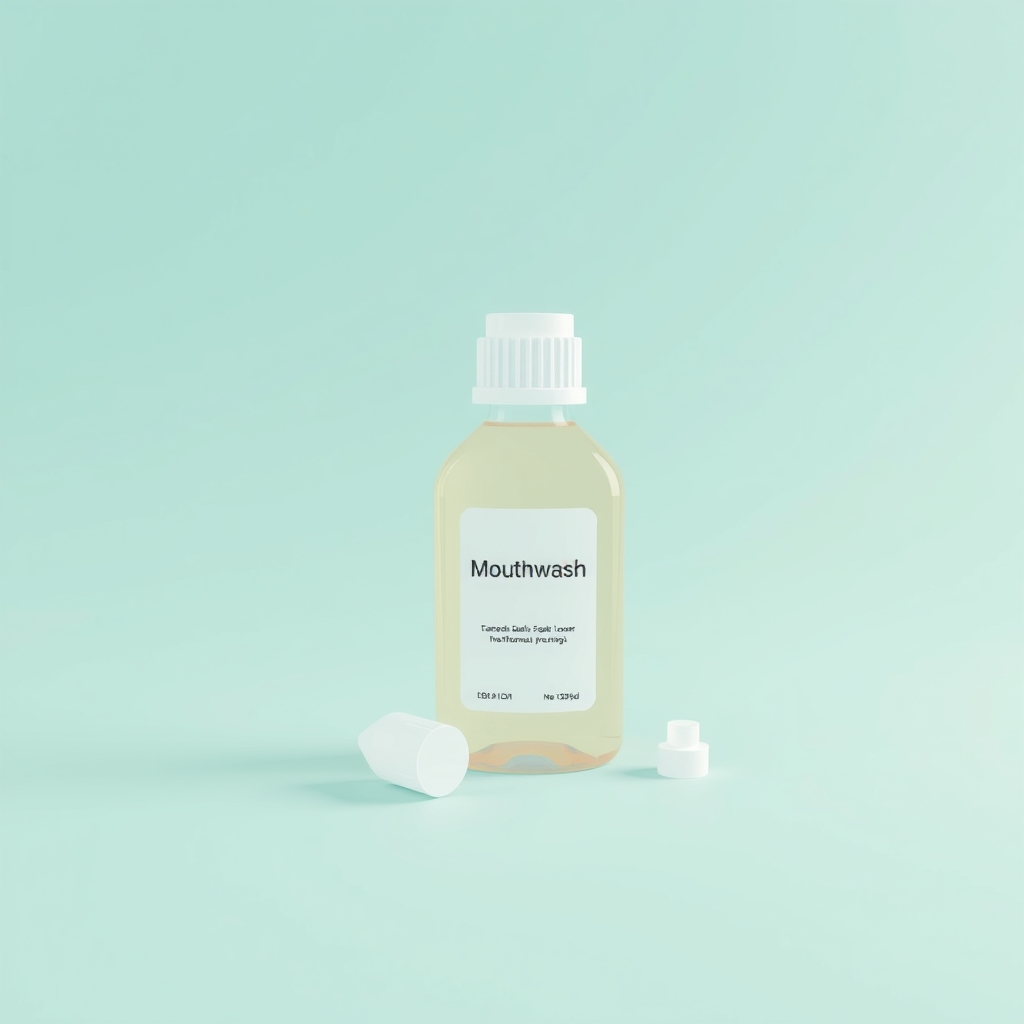
Mouthwash is not a substitute for brushing and flossing, but it can be a useful addition to your daily oral care routine. Depending on the type, it can help reduce bacteria, strengthen teeth, freshen breath, or soothe mild gum irritation. The key is matching the mouthwash to your specific concern rather than picking whichever one smells nicest.
Main Types of Mouthwash
1. Antiseptic Mouthwash
Antiseptic mouthwashes contain ingredients like chlorhexidine, cetylpyridinium chloride, or essential oils that reduce harmful bacteria in the mouth. These are often recommended for people with:
- Gum disease or gingivitis
- Persistent bad breath caused by bacteria
- Recovery after certain dental procedures
Chlorhexidine based mouthwash is usually prescribed for a short, specific period because long-term use can cause temporary staining of teeth and altered taste. It is best used under a dentist's guidance.
2. Fluoride Mouthwash
Fluoride mouthwash is designed to strengthen tooth enamel and reduce the risk of cavities. It is particularly helpful for:
- People prone to frequent cavities
- Those with early signs of tooth decay
- Patients with dry mouth, which increases decay risk
This type is commonly suggested for children above the recommended age and adults who need extra cavity protection alongside fluoride toothpaste.
3. Cosmetic Mouthwash
Cosmetic mouthwashes mainly focus on freshening breath and improving taste. They temporarily mask odour but do not treat the underlying cause of bad breath or gum problems. These are fine for everyday freshness, but if bad breath keeps coming back, it usually points to an issue that needs a dental check rather than just a mintier rinse.
4. Natural or Herbal Mouthwash
Natural mouthwashes often contain ingredients like neem, clove, tea tree oil, or saltwater bases. Many people prefer these for a gentler, alcohol-free option. They can help with mild gum irritation and general freshness, though scientific evidence for stronger claims is often limited compared to antiseptic or fluoride options. These are a reasonable everyday choice for people with sensitive mouths or those who want to avoid alcohol-based rinses.
Choosing the Right Mouthwash for Your Needs
| Concern | Best Suited Mouthwash Type |
|---|---|
| Bleeding or swollen gums | Antiseptic (as advised by dentist) |
| Frequent cavities | Fluoride |
| Everyday breath freshness | Cosmetic |
| Sensitive mouth, prefers alcohol-free | Natural or herbal |
| Post dental procedure care | Antiseptic (as prescribed) |
Things to Keep in Mind
- Avoid using mouthwash immediately after brushing, as it can wash away the protective fluoride layer from toothpaste. Leave a gap of about 20 to 30 minutes.
- Do not swallow mouthwash, and keep it away from young children.
- If you have ongoing gum problems, bad breath, or sensitivity, mouthwash alone will not solve the issue. A dental check up helps identify the real cause.
- Alcohol-based mouthwashes can cause dryness or irritation in some people. If this happens, switching to an alcohol-free version is usually a simple fix.
When to See a Dentist
Mouthwash works best as part of a complete oral care routine, not as a stand-alone fix. If you are dealing with persistent gum bleeding, chronic bad breath, repeated cavities, or mouth sores, it is worth visiting a dental clinic in Gurugram for a proper evaluation rather than relying only on over the counter rinses. A quick check can help identify whether the issue needs a specific antiseptic rinse, a filling, a cleaning, or something else entirely.
At Dentistaa in Sector 50, Gurugram, our team can guide you on the right mouthwash and overall oral care plan based on your specific dental health, not just general recommendations.
Have questions about your teeth?
Dentistaa · F2, Tower A, 1st Floor, Baani Square, Pocket C, South City II, Sector 50
Frequently asked questions
Can I use mouthwash instead of brushing?
No. Mouthwash is an addition to brushing and flossing, not a replacement. It cannot remove plaque the way a toothbrush does.
Is it safe to use antiseptic mouthwash every day?
Most antiseptic mouthwashes are safe for daily short term use, but chlorhexidine based ones are usually recommended only for a limited period as advised by your dentist, since long term use can stain teeth.
Can children use fluoride mouthwash?
Fluoride mouthwash is generally suggested for children above 6 years who can rinse and spit properly. Younger children should avoid it due to the risk of swallowing.
Will mouthwash help with bad breath permanently?
Cosmetic mouthwash freshens breath temporarily. If bad breath keeps returning, it is best to get an oral check up in Gurugram to rule out gum disease, cavities, or other causes.
Treatment costs mentioned on this page are indicative ranges for the Gurugram region. Your exact cost depends on your case and will be confirmed after a clinical examination at the clinic.