How Tongue, Lip, and Cheek Piercings Can Affect Your Oral Health
Tongue, lip, and cheek piercings have become a popular way to express personal style among young adults in Gurugram. While they can look great, many people do not realize how much these piercings can affect teeth, gums, and the soft tissue inside the mouth. Understanding the risks can help you make an informed choice and take better care of your oral health if you already have one.
Why the Mouth Is a Tricky Place for Piercings
The mouth is warm, moist, and full of bacteria, which makes it an easy place for infections to start. It is also a highly active area. Your tongue, lips, and cheeks move constantly while you talk, eat, and swallow, which means jewelry is almost always in contact with your teeth and gums.
Common Dental Problems Linked to Oral Piercings
Chipped or Cracked Teeth
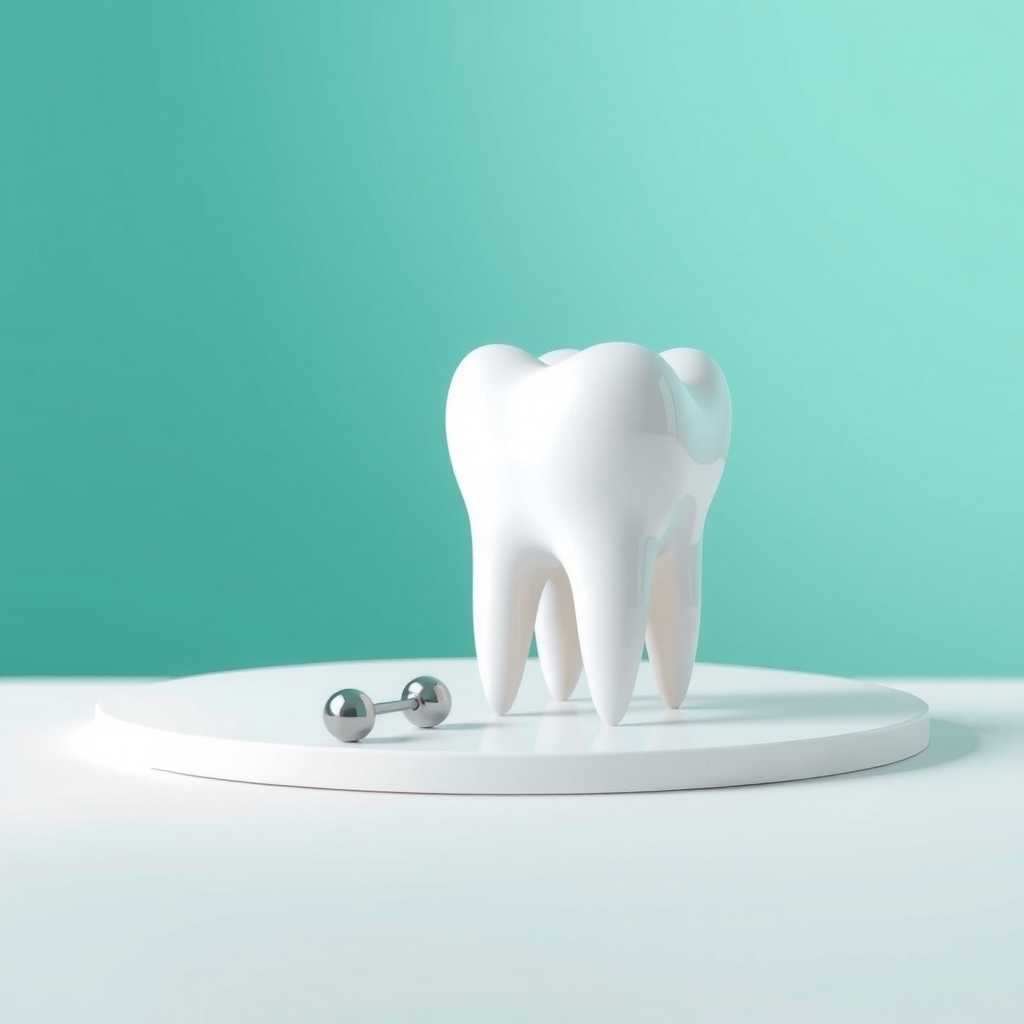
Metal studs and barbells can knock against teeth hundreds of times a day. Over time, this repeated contact can chip enamel or even crack a tooth, especially molars and front teeth near a tongue or lip piercing.
Gum Recession
Lip and cheek piercings that rub against the gum line can wear away gum tissue. This exposes the tooth root, leading to sensitivity and a higher risk of decay in that area. Gum recession from piercings often happens slowly and may not be noticed until it is fairly advanced.
Tooth Wear and Misalignment
Constantly playing with a tongue piercing, which many people do without realizing it, can wear down tooth surfaces or gradually shift teeth out of position.
Infection and Swelling
The tongue has a rich blood supply, so swelling after a fresh piercing is common and can occasionally become severe enough to affect breathing. Any piercing site can also become infected if not cared for properly, leading to pain, pus, or prolonged healing.
Nerve Damage and Numbness
In rare cases, piercing placement can injure a nerve, leading to temporary or even permanent numbness, altered taste, or speech changes.
Chipped Dental Work
If you have crowns, veneers, or fillings, jewelry clicking against them repeatedly can crack or dislodge these restorations.
| Piercing Type | Main Oral Health Risks |
|---|---|
| Tongue | Chipped teeth, tooth wear, swelling, nerve injury |
| Lip | Gum recession, enamel wear on inner front teeth |
| Cheek | Gum irritation, infection, soft tissue injury from chewing on jewelry |
Safer Care Tips if You Have an Oral Piercing
- Choose jewelry made of titanium or surgical steel, and ask about flat-backed studs that sit closer to the tissue.
- Keep the piercing and surrounding area clean with an alcohol-free antibacterial mouth rinse, especially after eating.
- Avoid clicking, twisting, or playing with the jewelry against your teeth.
- Remove jewelry during sports, sleep if advised, or any activity with a risk of impact to the face.
- Check the tightness of the ball ends regularly so you do not accidentally swallow or choke on loose jewelry.
- Replace long-term jewelry with a smaller size once initial swelling goes down, since a shorter stud reduces contact with teeth and gums.
When to See a Dentist
Routine dental checkups are important for anyone with an oral piercing, since many dentists can spot early enamel wear or gum recession before it becomes painful. You should also book an appointment sooner if you notice any of the following.
- Persistent swelling, redness, or discharge around the piercing site
- Chipped, cracked, or sensitive teeth near the jewelry
- Gums that look like they are pulling away from a tooth
- Difficulty chewing, speaking, or swallowing after getting pierced
- A piercing that feels loose, embedded, or is causing a lump of tissue to form around it
At Dentistaa in South City II, Sector 50, Gurugram, our dentists can assess any damage from an oral piercing, treat gum recession or chipped teeth, and guide you on safer jewelry choices and cleaning routines. If you already have a piercing or are thinking about getting one, a quick dental check can help protect your smile for the long term.
Have questions about your teeth?
Dentistaa · F2, Tower A, 1st Floor, Baani Square, Pocket C, South City II, Sector 50
Frequently asked questions
Can a tongue piercing be completely safe for teeth?
There is no way to make an oral piercing fully risk free, but choosing a flat-backed or smaller barbell, avoiding teeth contact, and seeing your dentist regularly can lower the chances of damage.
How long does it take for an oral piercing to cause tooth damage?
This varies a lot. Some people notice chipped enamel or gum recession within months, while others go years without visible problems. Regular dental checkups help catch issues early.
Should I remove my piercing if my gums are receding?
If a dentist confirms the piercing is causing gum recession, removing it or switching to a shorter, flat-backed stud is usually recommended before the damage becomes permanent.
Is it safe to get an oral piercing if I already have braces or dental work?
It is best to avoid oral piercings if you have braces, veneers, or crowns, as the jewelry can chip these restorations or get tangled in orthodontic wires.
Treatment costs mentioned on this page are indicative ranges for the Gurugram region. Your exact cost depends on your case and will be confirmed after a clinical examination at the clinic.