Teeth Scaling and Polishing: What It Really Involves
Many patients in Gurugram put off professional teeth cleaning because they have heard it can weaken enamel or loosen teeth. These are common myths, and they stop people from getting a simple treatment that actually protects their oral health. This article explains what scaling and polishing really involves and how often you should get it done.
What Is Teeth Scaling and Polishing?
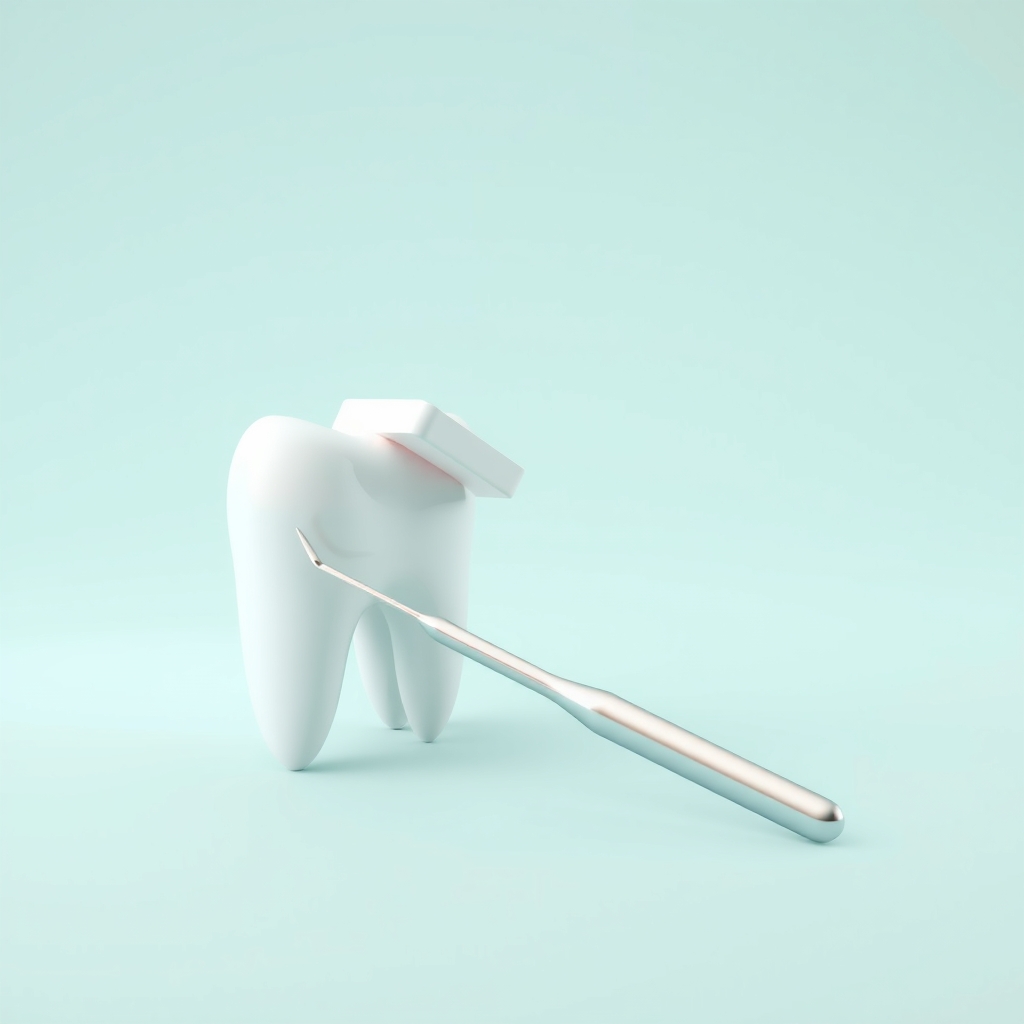
Teeth scaling is a professional cleaning procedure that removes plaque and tartar (hardened plaque) from the surface of your teeth and along the gum line. Polishing follows scaling and smooths the tooth surface, removing surface stains and giving teeth a cleaner feel.
Plaque forms constantly from food particles and bacteria. Regular brushing and flossing remove most of it, but some areas are hard to reach, especially near the gum line and between teeth. Over time, this leftover plaque hardens into tartar, which cannot be removed by brushing alone. Only a dental professional can remove it safely using specialised instruments.
How the Procedure Works
- The dentist uses an ultrasonic scaler that vibrates gently to break down tartar deposits.
- Hand instruments may be used for finer cleaning around the gum line and between teeth.
- Once tartar is removed, a polishing paste and a rotating brush are used to smooth the tooth surface.
- The whole process is generally comfortable, though some people feel mild sensitivity to cold water during the cleaning.
Debunking Common Myths
Myth 1: Scaling Damages Enamel
This is one of the most persistent myths. Scaling only removes tartar and plaque sitting on the enamel surface. It does not wear down or weaken the enamel itself. The instruments used are designed to target hardened deposits, not healthy tooth structure. In fact, leaving tartar untouched is far more harmful, since it traps bacteria against the gums and tooth surface.
Myth 2: Scaling Loosens Teeth
Some patients notice their teeth feel slightly different or gaps appear more visible after scaling. This is not because the teeth have become loose. Tartar buildup can sit between teeth and under the gum line, sometimes filling small gaps. Once it is removed, teeth may feel a little different, but this is a return to their natural position, not a sign of instability.
In cases of advanced gum disease, teeth may already be loose due to bone loss around the roots. Scaling does not cause this. Instead, it helps control the infection that leads to it.
Myth 3: Healthy Teeth Do Not Need Scaling
Even with good brushing habits, tartar can form in hard-to-reach areas. Scaling is a preventive step that keeps gums healthy and helps catch early signs of gum disease before they become serious.
Why Scaling and Polishing Matters
Untreated plaque and tartar buildup can lead to gum inflammation (gingivitis), bad breath, and in advanced cases, gum disease that affects the bone supporting your teeth. Regular scaling helps prevent these issues and keeps your mouth healthier overall.
How Often Should Gurugram Patients Get Scaling Done?
Most dentists recommend scaling and polishing once every six months for patients with average oral hygiene. However, the right frequency depends on individual factors.
| Patient Type | Recommended Frequency |
|---|---|
| Good oral hygiene, no gum issues | Once every 6 months |
| Smokers or tea/coffee drinkers with more staining | Every 4 to 6 months |
| Patients with gum disease history | Every 3 to 4 months |
| Diabetic patients | Every 3 to 4 months, as advised by your dentist |
Given the pace of life in Gurugram, many patients rely on packaged foods, frequent tea or coffee breaks, and irregular dental visits. This can accelerate plaque buildup, making regular scaling even more important for long-term oral health.
What to Expect at Dentistaa
At Dentistaa in Sector 50, Gurugram, our dental team assesses your gum health and tartar levels before recommending a cleaning schedule suited to you. We explain each step of the process so you know exactly what is being done and why, helping you feel comfortable and informed throughout your visit.
Scaling and polishing is a safe, well-studied part of preventive dental care. Understanding what it actually involves can help you make confident decisions about your oral health, rather than avoiding a treatment based on myths.
Have questions about your teeth?
Dentistaa · F2, Tower A, 1st Floor, Baani Square, Pocket C, South City II, Sector 50
Frequently asked questions
Does scaling make teeth sensitive forever?
No. Mild sensitivity after scaling usually lasts a few days as gums heal and settle. It is temporary and not a sign of damage.
Can I get scaling done if my gums bleed easily?
Yes, in fact bleeding gums are often a sign that scaling is needed. Removing built-up plaque and tartar usually reduces bleeding over time.
Is polishing necessary or just scaling?
Scaling removes tartar and plaque, while polishing smooths the tooth surface and removes stains. Both together give cleaner, smoother teeth and better protection.
How long does a scaling and polishing session take?
Most sessions take around 30 to 45 minutes depending on how much plaque and tartar buildup there is.
Treatment costs mentioned on this page are indicative ranges for the Gurugram region. Your exact cost depends on your case and will be confirmed after a clinical examination at the clinic.